
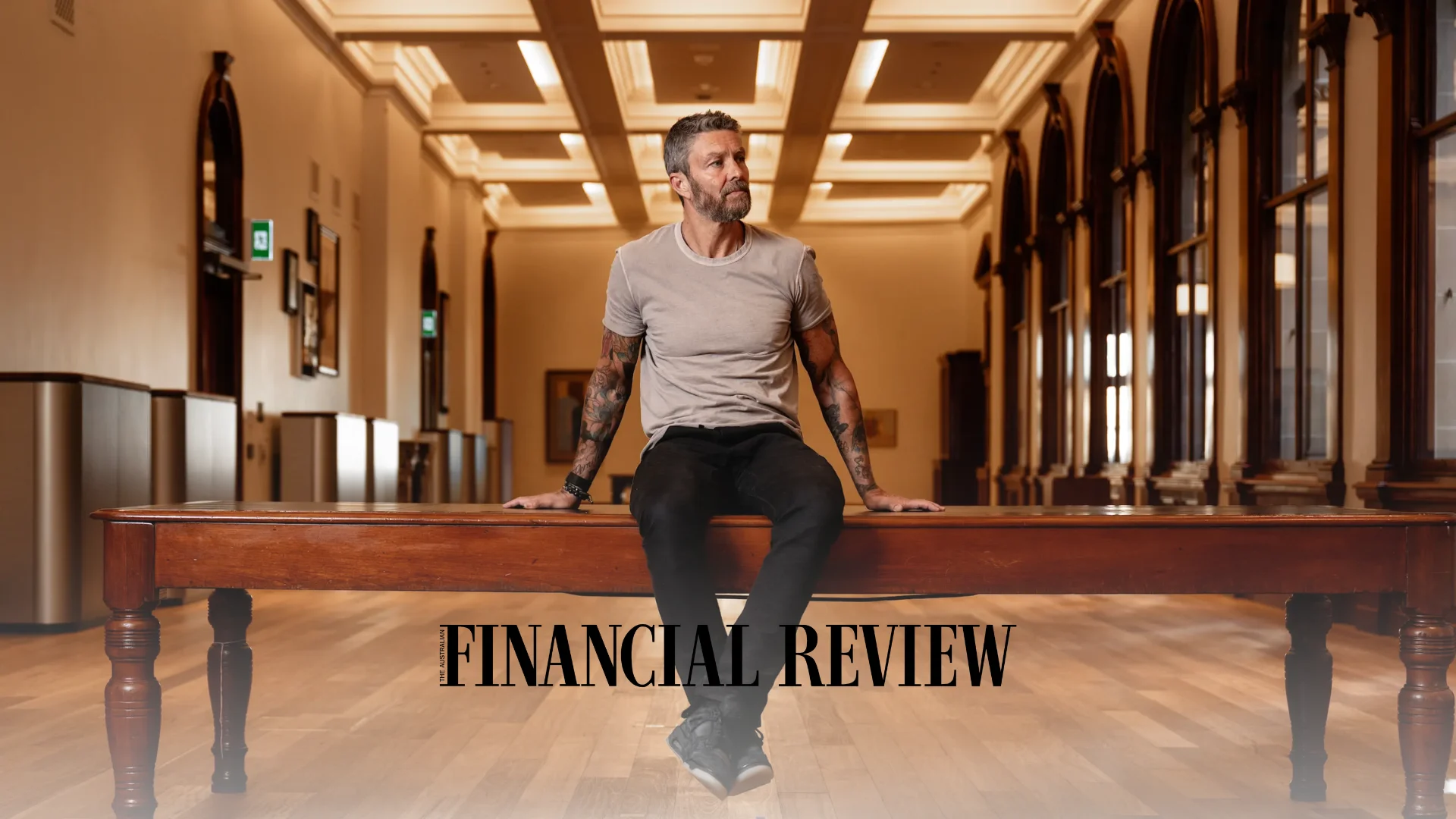
“It’s solid timber, raw leather, stone. It’ll be pristine when we move in, but I want it to tell the story of what happens here in the next 10, 20 years.”
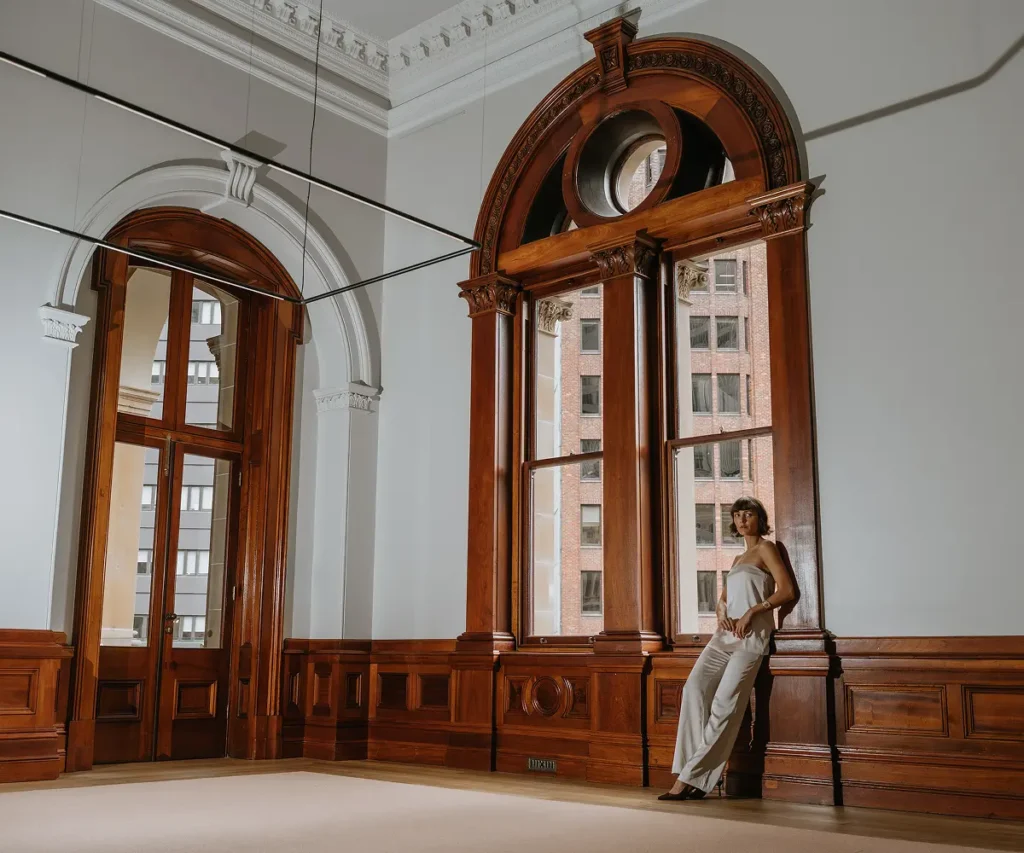
Florence Guild founder Soren Trampedach is conjuring his latest venture, The Sandstones Club, situated in the venerable Department of Lands building at the northern end of Sydney’s CBD. We are standing in the shell of what will become the grand piano lounge, a 324-square-metre symphony of walnut, unpolished granite and forest-toned Danish leather armchairs and sofas. Even without a stick of furniture, however, it’s a gobsmacking space, with its five-metre-high ceilings, towering fan lights and exquisitely carved stone windows.
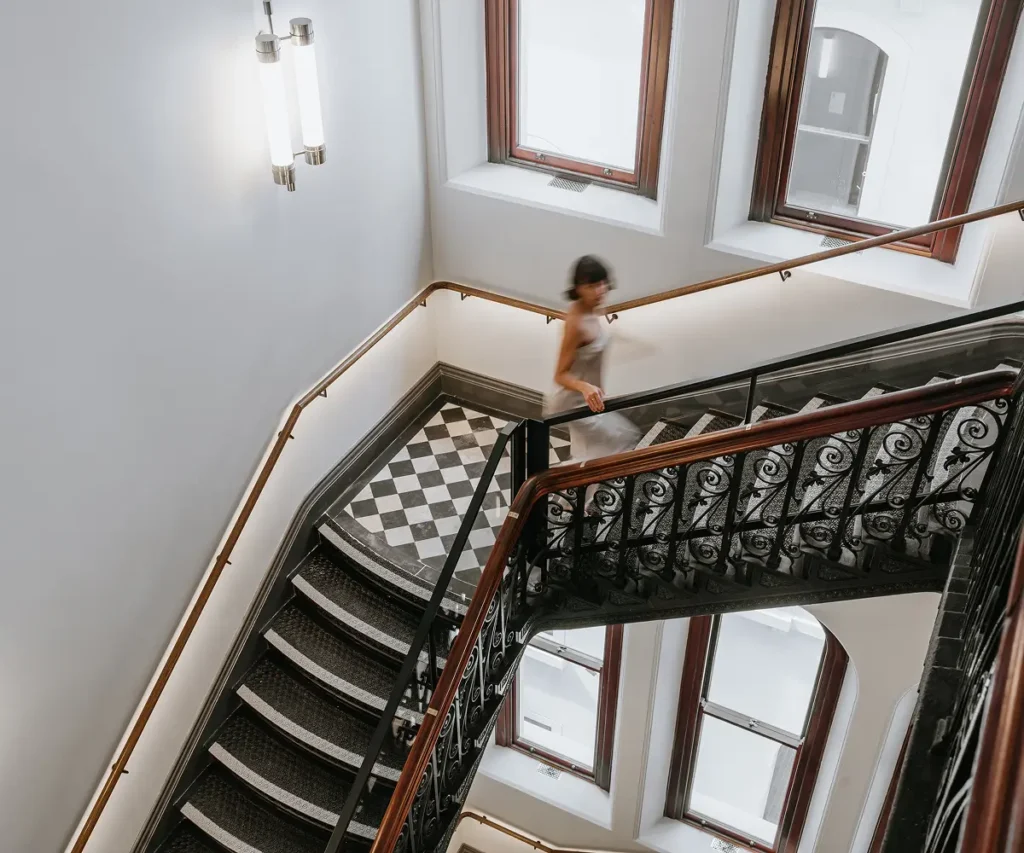
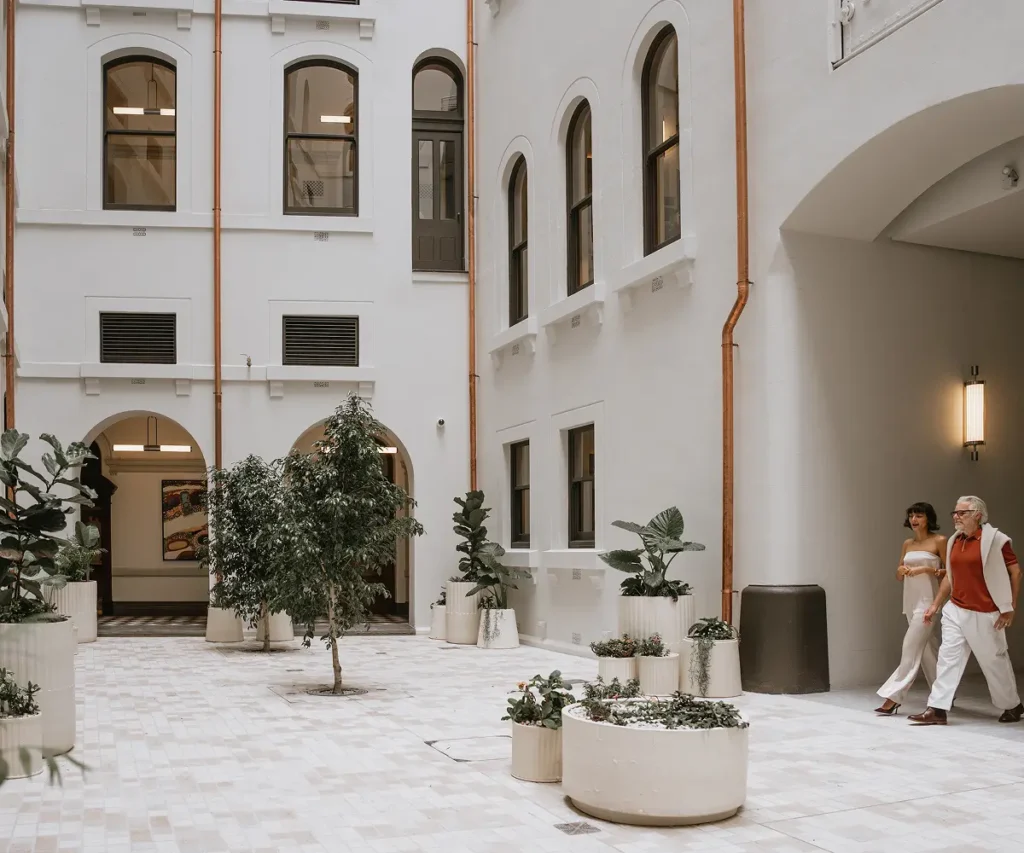
Beyond the blackbutt doors, the building’s marble floors and cedar joinery have been brought back to life as part of a $1-billion-plus renovation by Singaporean developer and hotel company Pontiac Land Group of what it calls Sydney’s new “Sandstone Precinct”. The other half of that precinct, the five-star Capella Sydney hotel in the former Department of Education building next door, recently hit the headlines when it was named Best Hotel in Oceania in The World’s 50 Best Hotels rankings.
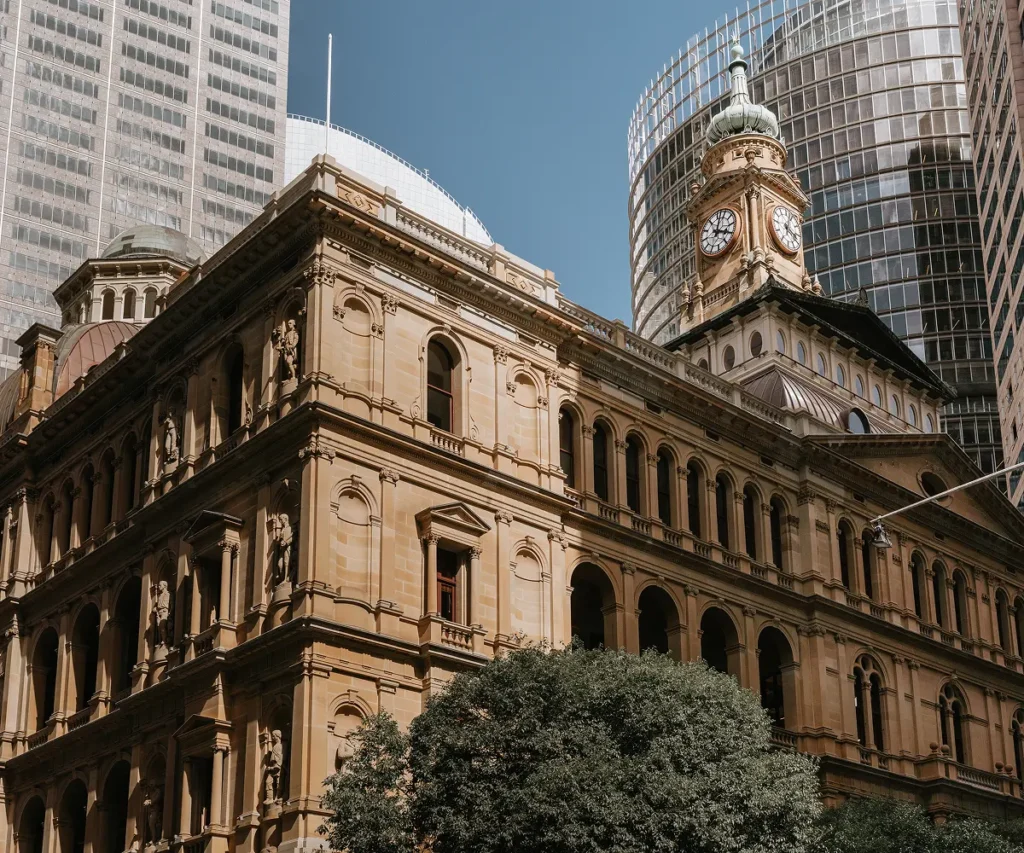
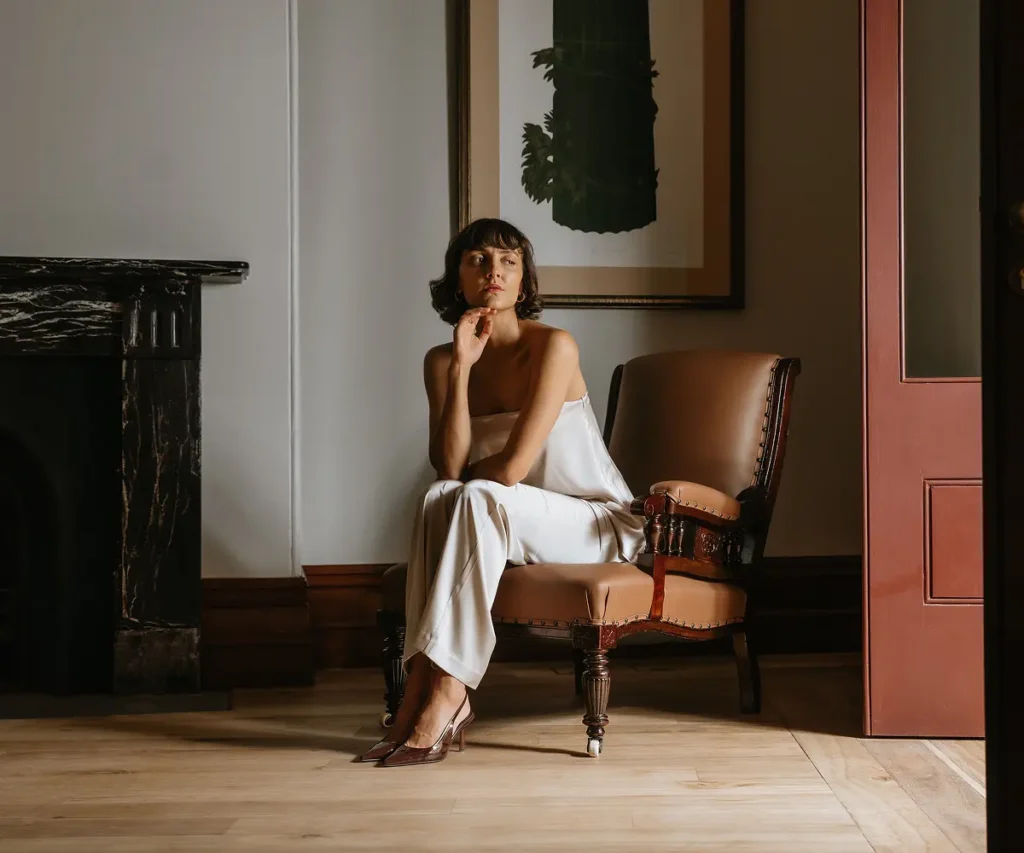
The painstaking resurrection of the older, even grander Lands building, meanwhile, has gone all but unnoticed. Unsure what to do with the Victorian Renaissance Revival jewel (and its heritage restrictions), Pontiac turned to Trampedach, who has quietly built a network of 11 Florence Guild Work Clubs in Australia since 2013. The upshot is The Sandstones Club by Florence Guild. And nothing could be closer to the pulse of upmarket Australia than deciding on a $30,000-a-year bespoke club to anchor half a $1-billion-plus redevelopment.
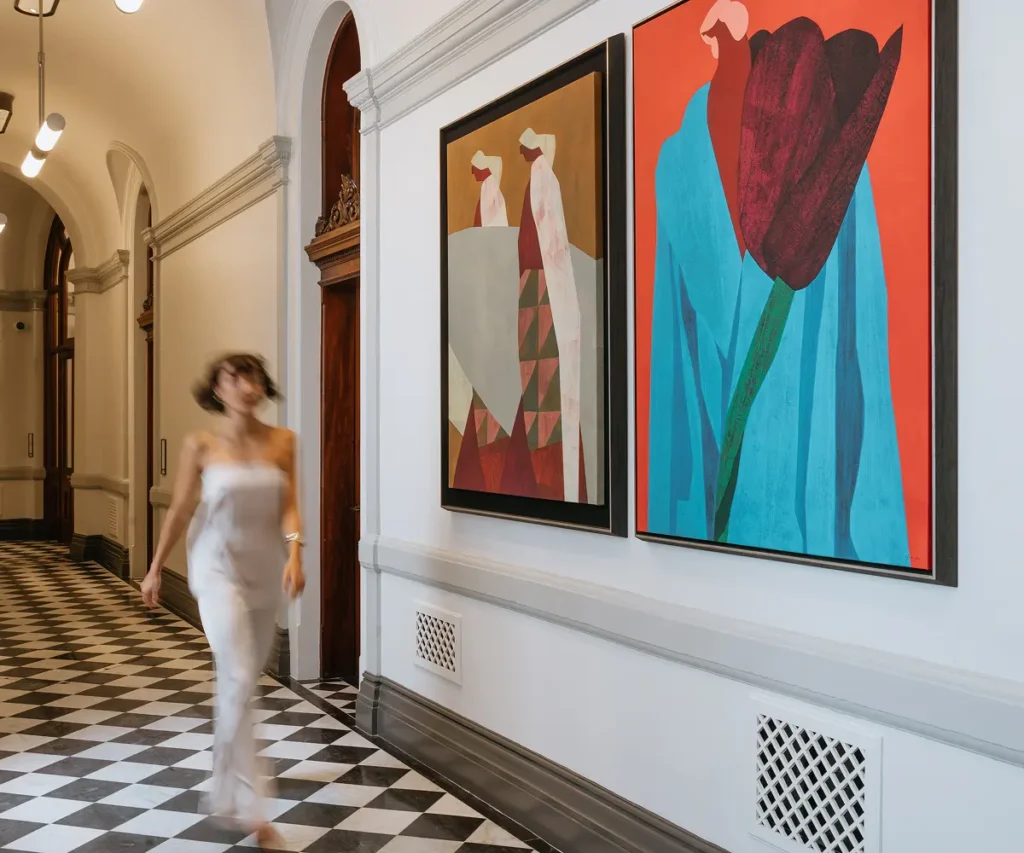
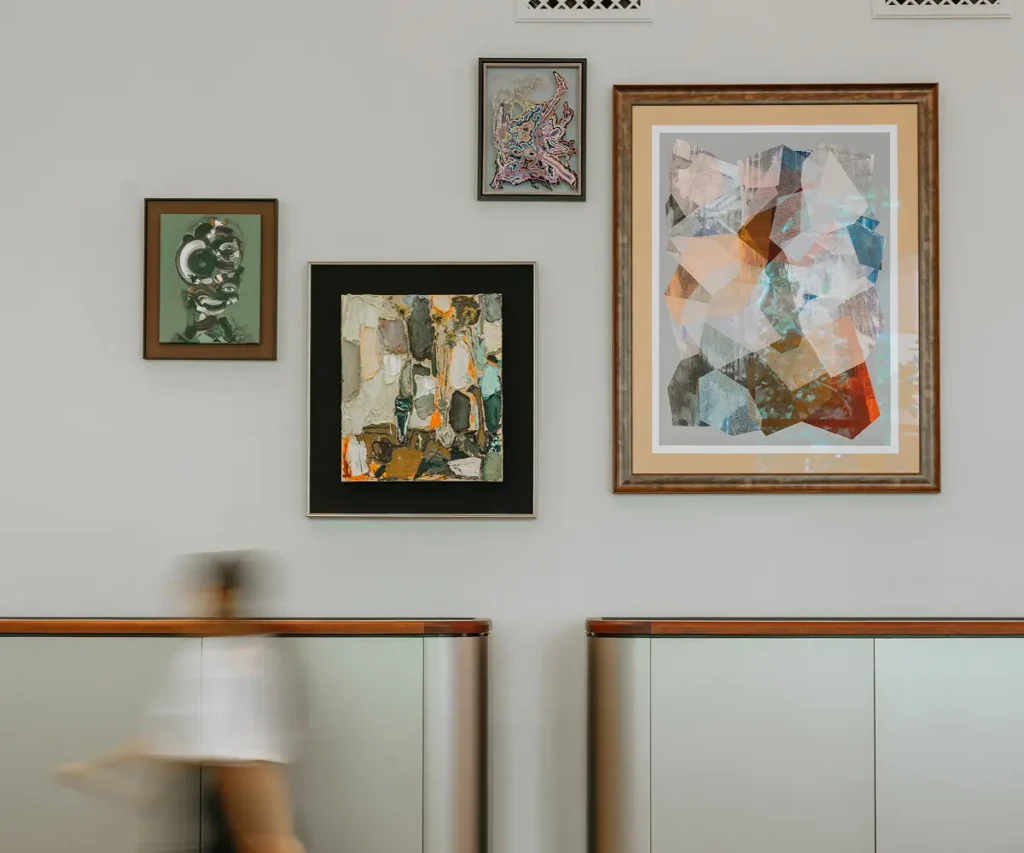
In February, The Sandstones Club will open across two floors and 3500 square metres, showcasing all the amenities Florence Guild has developed over the past decade to make its Work Clubs irresistible – from wellness and events to retail and restaurants. In fact, a Renaissance Revival building couldn’t be more appropriate for a group that has enticed what are now thousands of members to “step into a renaissance of work” across 11 sites.
Danish-born Trampedach first came up with the idea of Florence Guild after moving to Australia in 2005. He was inspired, he says, by Leonardo da Vinci’s penchant for “surrounding himself with diverse industries and disciplines because he felt they elevated his own works”. He only acted on the idea in 2013, however, as part of a personal work renaissance after the souring of a joint venture with Europe’s biggest manufacturer of office furniture, which he’d taken into Asia Pacific.
“I decided I wasn’t going to work for anybody again because it was just a disaster on all fronts,” he says.
At first, he had little success selling local investors on the Florence Guild concept. “It was too fluffy,” he says. “Da Vinci, Florence? What do you mean? Is it a serviced office? Is it a workspace? They didn’t get it.” Undaunted, he self-financed his first mini Work Club near Sydney’s Supreme Court after striking a deal with a friendly landlord and using furniture he had in storage from his office-furniture days. “Ten months in, all my credit cards were maxed out, but I turned a profit in month eleven,” he says. “If I hadn’t, I would’ve had to close the whole damn thing.”.
“Members are our inner circle, but the second circle is all the people in the building, because what we’re really trying to do is create communities,”
Today Florence Guild spans seven sites in Sydney, three in Melbourne and one in Canberra, and averages two or three new clubs – and 30 to 40 per cent growth – a year. An 8000-square-metre Work Club, the largest yet, will open in Mirvac’s new $1.5 billion, 50-storey 55 Pitt Street tower in Sydney in 2027, featuring two restaurants, three bars, a bakery, a wellness centre and rooftop terrace. Those ancillary Florence Guild honeypots – from Melbourne’s esteemed Nordic eatery Freyja to Work Club’s signature talks and debates program featuring the likes of Sir Bob Geldof and The New York Times bestseller Gabby Bernstein – matter. Because the clubs are the bullseyes of a larger target.
“Members are our inner circle, but the second circle is all the people in the building, because what we’re really trying to do is create communities,” says Trampedach. “I’m not interested in just two floors in a building. I’m interested in seeing how we can create an ecosystem across an entire building, using workspaces, F&B and wellness to do that.” Trampedach has grown his empire almost unnoticed. But it typifies the vertiginous speed at which the sector is suddenly scaling.
“I’m hopeful that it’s a community that cares and will drive positive impact, whatever that may be.”
“Ten years ago people said I was crazy, it wasn’t going to work,” Trampedach says, grinning. “The problem I’ve had for a decade has been trying to articulate what we do because people don’t understand it until they feel it.
“Now, having felt it, he thinks many of Sandstones’ 500 members will come from existing Work Clubs “because they know us. There will be changemakers and people with financial strengths and connections there,” he says. “I’m hopeful that it’s a community that cares and will drive positive impact, whatever that may be.”